Start-stop car batteries explained: do you need a special battery?
Many newer cars switch the engine off at a red light and restart it when you lift your foot off the brake. This start-stop feature saves fuel, but it asks far more of the battery than a conventional car does.
Why the battery is different
A battery in a start-stop car is cycled much harder. It starts the engine many more times, and it also has to power the car's electronics while the engine is off. Manufacturers therefore fit batteries designed for this duty, often described as EFB (enhanced flooded) or AGM (absorbent glass mat) types, depending on the car.
What happens if you fit the wrong one
A standard battery in a car designed for start-stop may wear out faster, and the car's system may not work as intended. It is best to follow the specification for your vehicle.
How to check whether your car has it
- Look for an "A" in a circle or a start-stop button on the dashboard or centre console.
- Check the owner's manual for the battery type specified.
- Look at the label on the existing battery for EFB or AGM markings.
Replacing the battery
Some cars need the new battery to be registered with the car's electronics after fitting. Ask about this when you buy. The battery finder on our site asks whether your car has start-stop, because the right answer can change the battery reference.
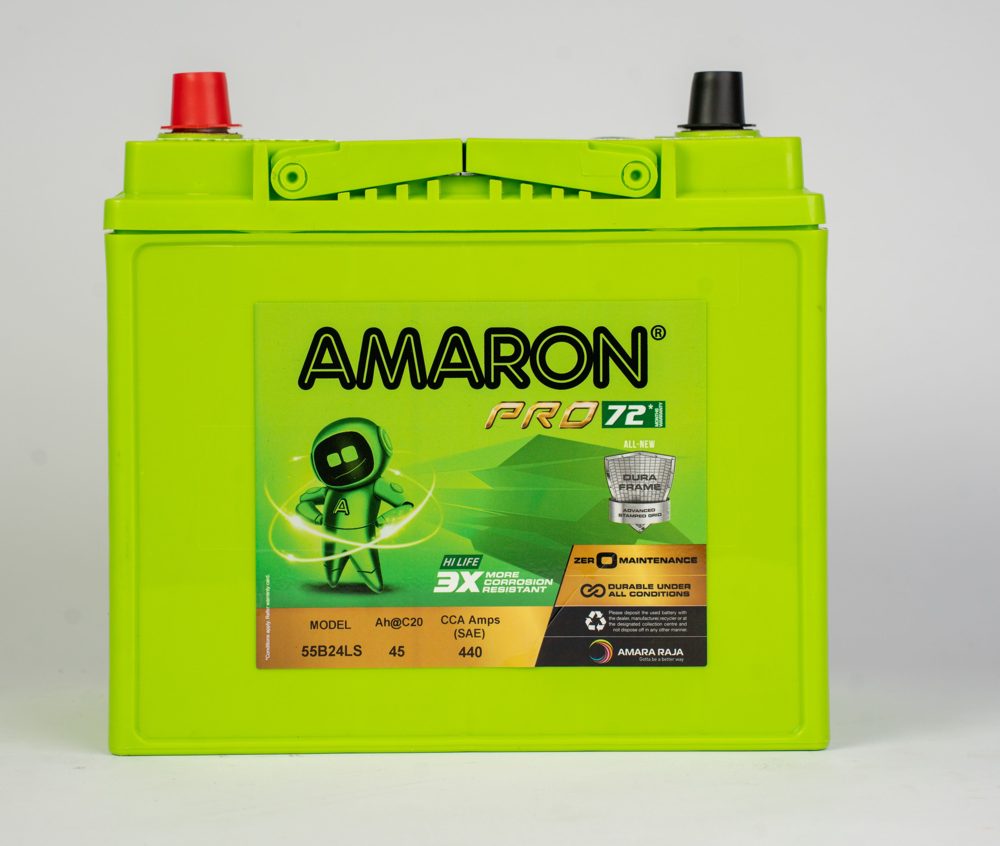
For help, send us the car's make, model, year, fuel type and a photo of the current battery label. We will confirm what suits it. To understand the numbers on that label, read how to read a car battery label.