When to replace your inverter battery
An inverter battery usually fails slowly. Backup time drops a little each season until, one evening, the lights go off a few minutes into a power cut. Knowing the early signs helps you replace the battery before that happens, and avoid replacing it when a simpler fix would do. This guide is written for homes and shops in Visakhapatnam, where heat and humidity are hard on batteries.
Signs your inverter battery is wearing out
- Backup time has dropped sharply. If a full charge used to run your fans and lights for hours and now lasts a fraction of that with the same load, the battery has lost capacity.
- It takes much longer to charge, or the inverter shows a full charge that disappears quickly.
- The case is swollen or leaking, or there is a strong smell near the battery.
- Water needs topping up very often on a flooded or tubular battery, which can point to overcharging or an ageing battery.
- The inverter shows low-battery or battery-fault warnings soon after a power cut starts.
- The battery is several years old. Age alone is not proof, but combined with the signs above it usually means replacement is due.
Check these before you replace
Some problems look like a battery failure but are not:
- Load has grown. A new refrigerator, an extra air cooler or more lights can shorten backup even with a healthy battery. Add up what runs on the inverter.
- Loose or corroded terminals reduce charging and backup. Clean, tight connections matter.
- Low water level on a flooded battery. Top up only with distilled water, to the marked level.
- Charging problems on the inverter side. If the battery never gets fully charged, the inverter or wiring may need checking.
Our guide to inverter battery maintenance covers these checks step by step, and the article on humidity, heat and care in Visakhapatnam explains local conditions.
Choosing the replacement
The replacement should suit your inverter and your backup needs, not just match the old battery's size.
- Capacity (Ah): a higher capacity gives longer backup on the same load, but your inverter must support it.
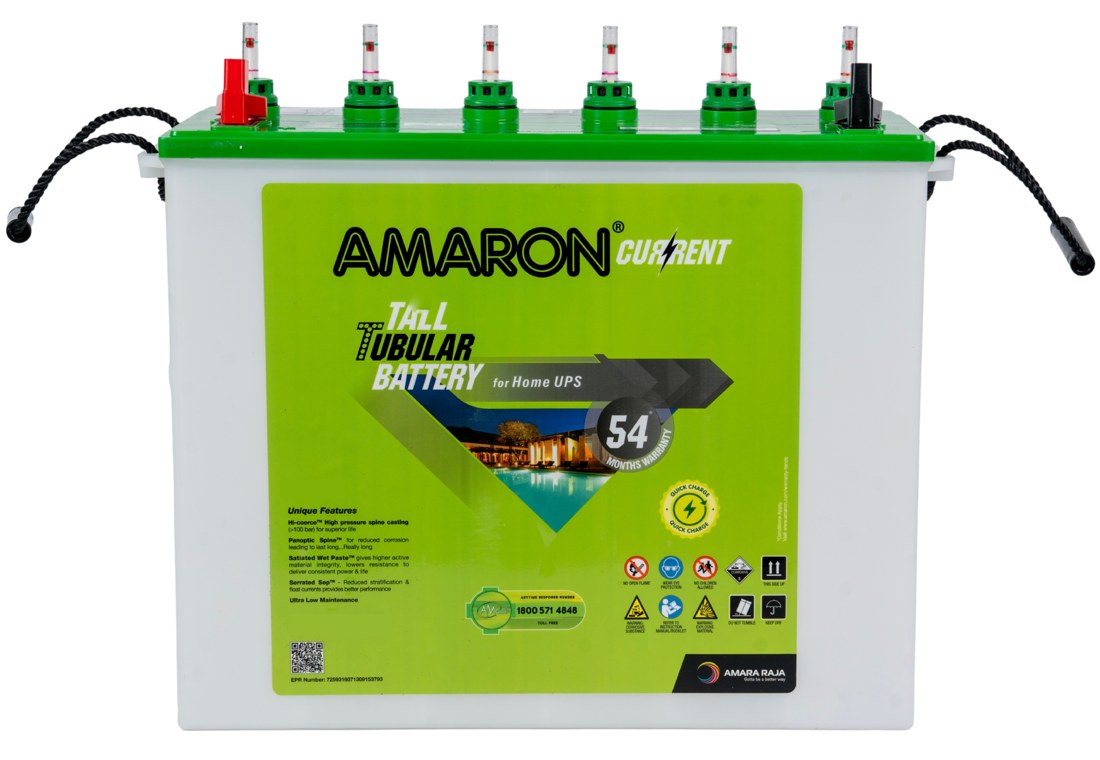
- Type: tall tubular batteries are the common choice for long power cuts; flat plate and SMF batteries suit other needs. See tubular vs flat plate vs SMF.
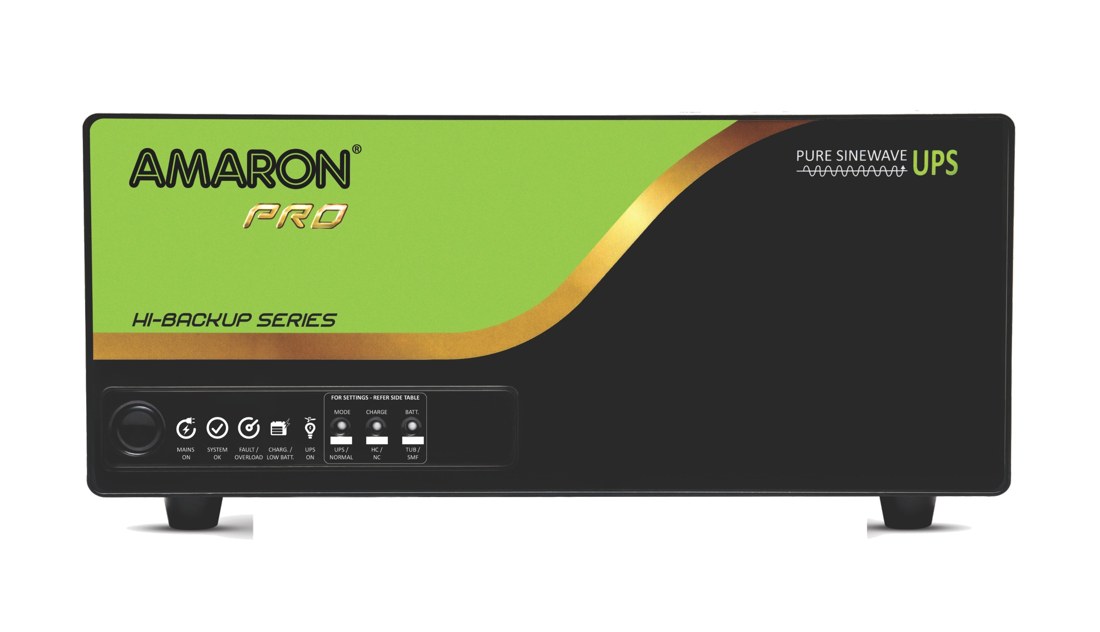
- Inverter compatibility: check the inverter's battery voltage and recommended capacity range.
- Space and ventilation: tubular batteries are tall and heavy and need airflow around them.
You can browse our tubular and inverter batteries or use the help me choose tool. We deal in inverter batteries from Amaron, Exide, Luminous, Microtek, Amaze and Dynex.
Delivery, fitting and old battery exchange
Inverter batteries are heavy and awkward to carry. We deliver the new battery, connect it to your inverter with the correct polarity, check that it charges, and take your old battery in exchange. Send your inverter brand, its capacity and a photo of the old battery's label on WhatsApp to +91 98853 33960, and we confirm the right model, price and timing. You can also read about our delivery and pickup options.
Getting the most life from the new battery
Keep the battery in a shaded, ventilated spot, check the water level regularly on tubular and flooded batteries, keep the terminals clean, and avoid running it completely flat again and again. A little attention each month adds a lot to the battery's life.